



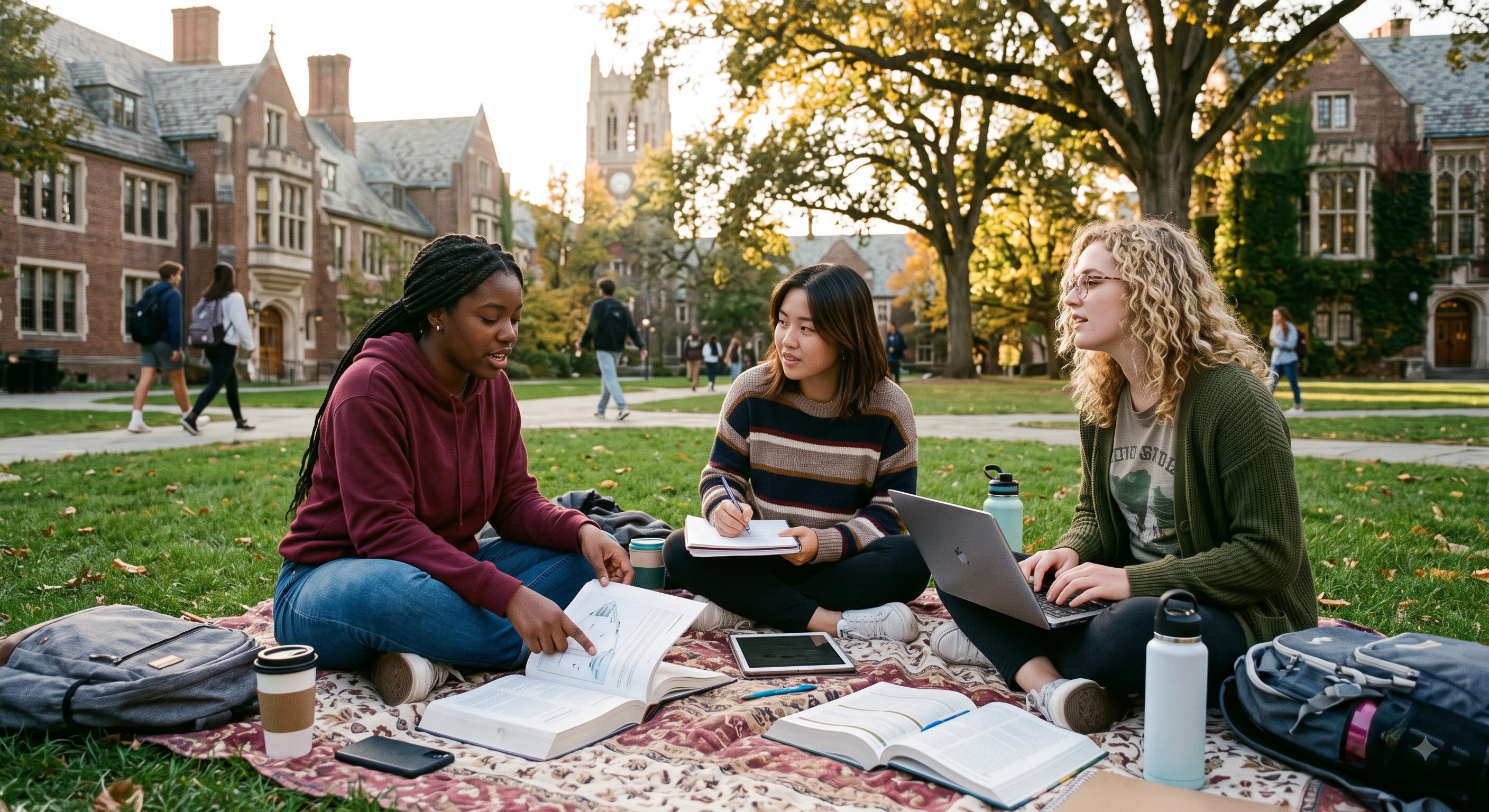
How to Be Sustainable in College (Without Breaking the Bank)
·
Let’s be honest: a lot of eco-friendly advice or tips can feel all-or-nothing. It might make you think you need to go zero-waste, never fly again, eliminate all plastic from your life, or grow your own food just to help the planet. On a college budget, that’s really not happening. Campus life is busy, messy, and produces a ton of random waste. True sustainability isn't about buying new products; it’s just about being resourceful with what you already have.

The Hidden Dangers of Perfumed Products on the Feminine Ecosystem
·
Perfumed products like scented laundry detergents, body washes, and feminine cleansers may seem harmless, but research shows they can disrupt the delicate feminine microbiome and harm reproductive health. Synthetic fragrances often contain chemicals such as phthalates and parabens, which act as endocrine disruptors linked to hormonal imbalances, reduced fertility, and even long-term reproductive risks. These products can also disturb the vagina’s natural pH, leading to bacterial vaginosis, yeast infections, irritation, and inflammation. Experts recommend opting for fragrance-free detergents and unscented personal care, limiting feminine washes, and being mindful of ingredient labels. By reducing exposure to synthetic fragrances, women can better protect their reproductive health, maintain microbiome balance, and avoid unnecessary long-term risks.
Continue reading

Fake-Feminism?
·
Fem-washing has become increasingly common in feminine hygiene branding, with companies using pink packaging, empowerment slogans, and cause-driven campaigns to appear feminist while often failing to deliver meaningful impact. Despite marketing narratives, many of these brands are still owned and led by men, highlighting a disconnect between their messaging and corporate realities. While such campaigns can raise awareness and normalize conversations about menstruation, they risk trivializing deeper issues like menstrual poverty, the Pink Tax, and lack of access to affordable products. Consumers are becoming more discerning, favoring authenticity and transparency, which means brands must move beyond performative activism to embrace true feminism through sustainable practices, diverse leadership, and real contributions to menstrual equity and gender equality.
Continue reading

Understanding Post-Childbirth Changes and Adjusting to Your Needs
·
Childbirth brings natural but significant changes to the reproductive system, often affecting comfort, vaginal tone, and pelvic floor strength during postpartum recovery. Many women experience temporary sensitivity, dryness, or discomfort with menstrual products like tampons due to hormonal shifts, tissue healing, or pelvic floor weakness. While these issues usually improve within a few months, experts recommend patience, gentle care, and alternatives such as cotton period panties or menstrual cups once healing progresses. Strengthening the pelvic floor, using lubricants, and consulting healthcare providers when needed can ease recovery. Understanding and respecting these changes empowers women to navigate postpartum care confidently and comfortably.
Continue reading
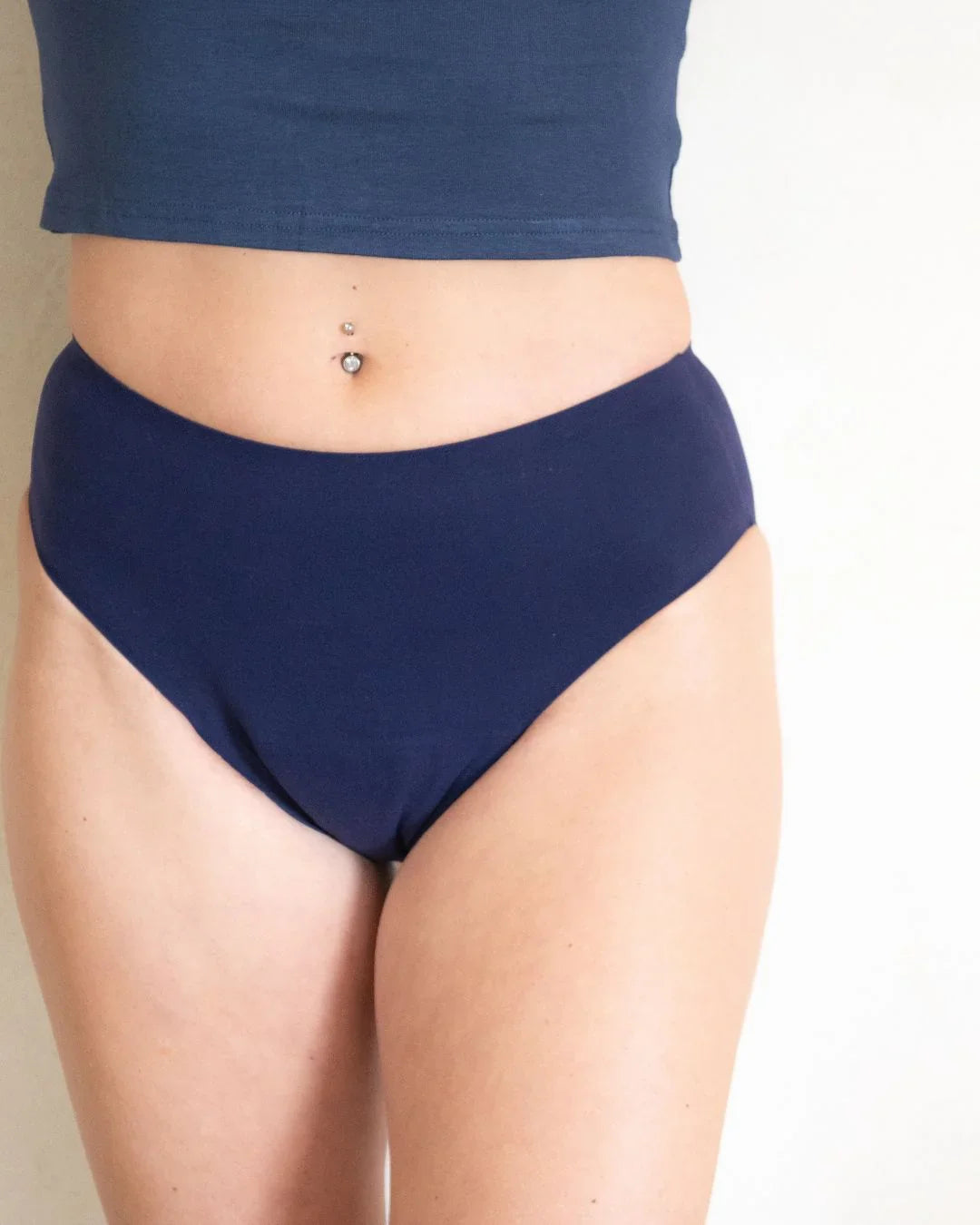
Good Feminine Hygiene Practices
·
Maintaining feminine hygiene is essential for comfort, reproductive health, and preventing infections, but it doesn’t require complicated routines or costly products. Experts stress that the vagina is self-cleaning and its natural pH balance should be preserved by avoiding douching, perfumed washes, or sprays that disrupt healthy bacteria. Evidence-based practices include gently washing the vulva with water, wearing breathable cotton underwear, wiping front to back, changing menstrual products regularly, and avoiding prolonged moisture from sweaty clothes. Combined with hydration, a balanced diet, and routine gynecological check-ups, these simple habits support long-term vaginal and urinary health, empowering women to care for their bodies confidently and safely.
Continue reading
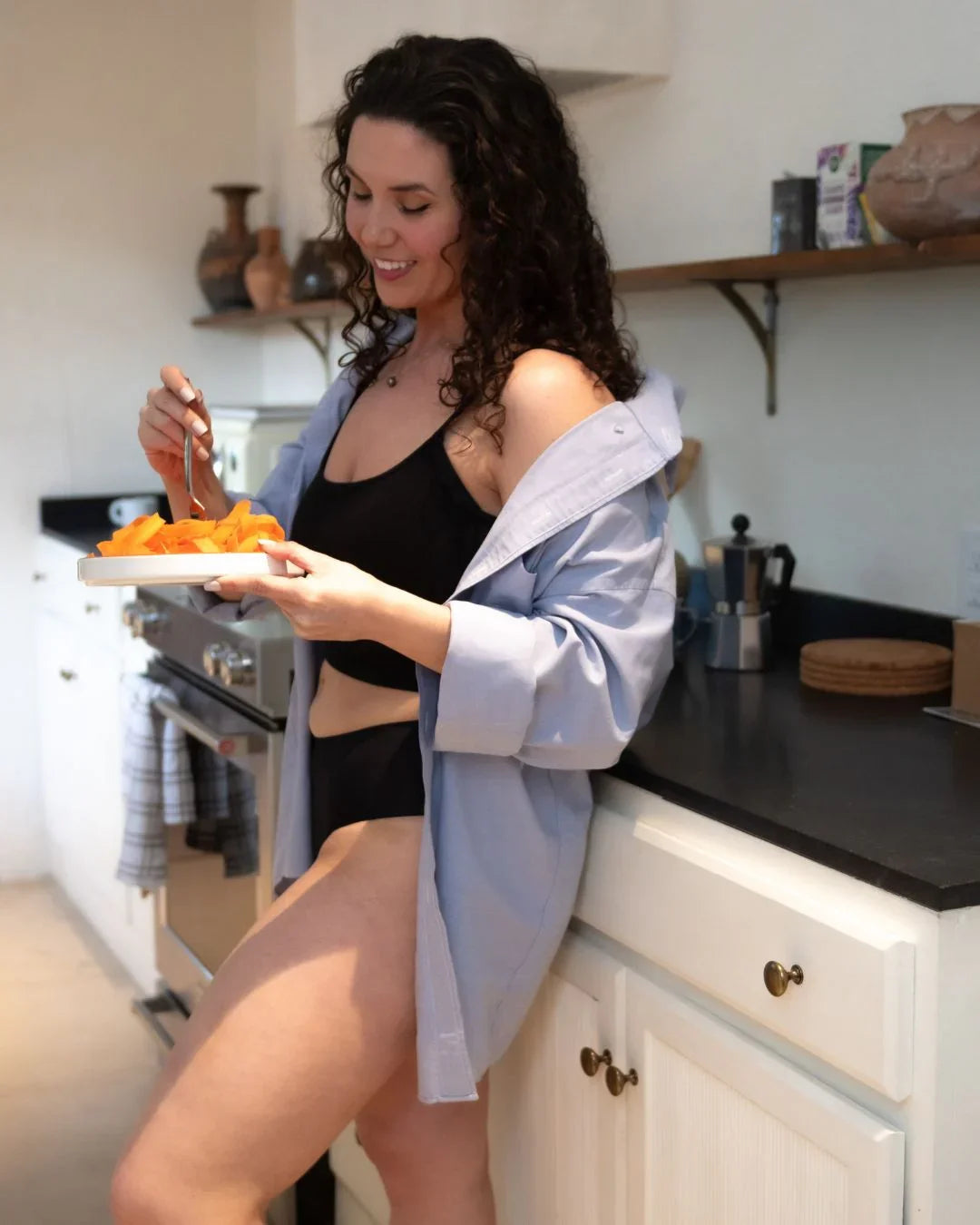
The Wellness Culture Surrounding Feminine Health
·
The booming wellness industry has fueled a surge of products targeting feminine health—from probiotics to detox teas—but many raise concerns about whether they’re grounded in science or marketing hype. While probiotics show some promise for gut and vaginal health, much of the evidence remains mixed, and detox diets or cleanses lack scientific support. Overreliance on fads can lead to wasted money, potential health risks, and even negative psychological effects like anxiety or body dissatisfaction. Experts emphasize focusing on evidence-based habits—balanced nutrition, exercise, sleep, and professional medical guidance—over quick fixes. Ultimately, embracing wellness can be positive, but informed, critical choices are key to distinguishing genuine health benefits from fleeting trends.
Continue reading
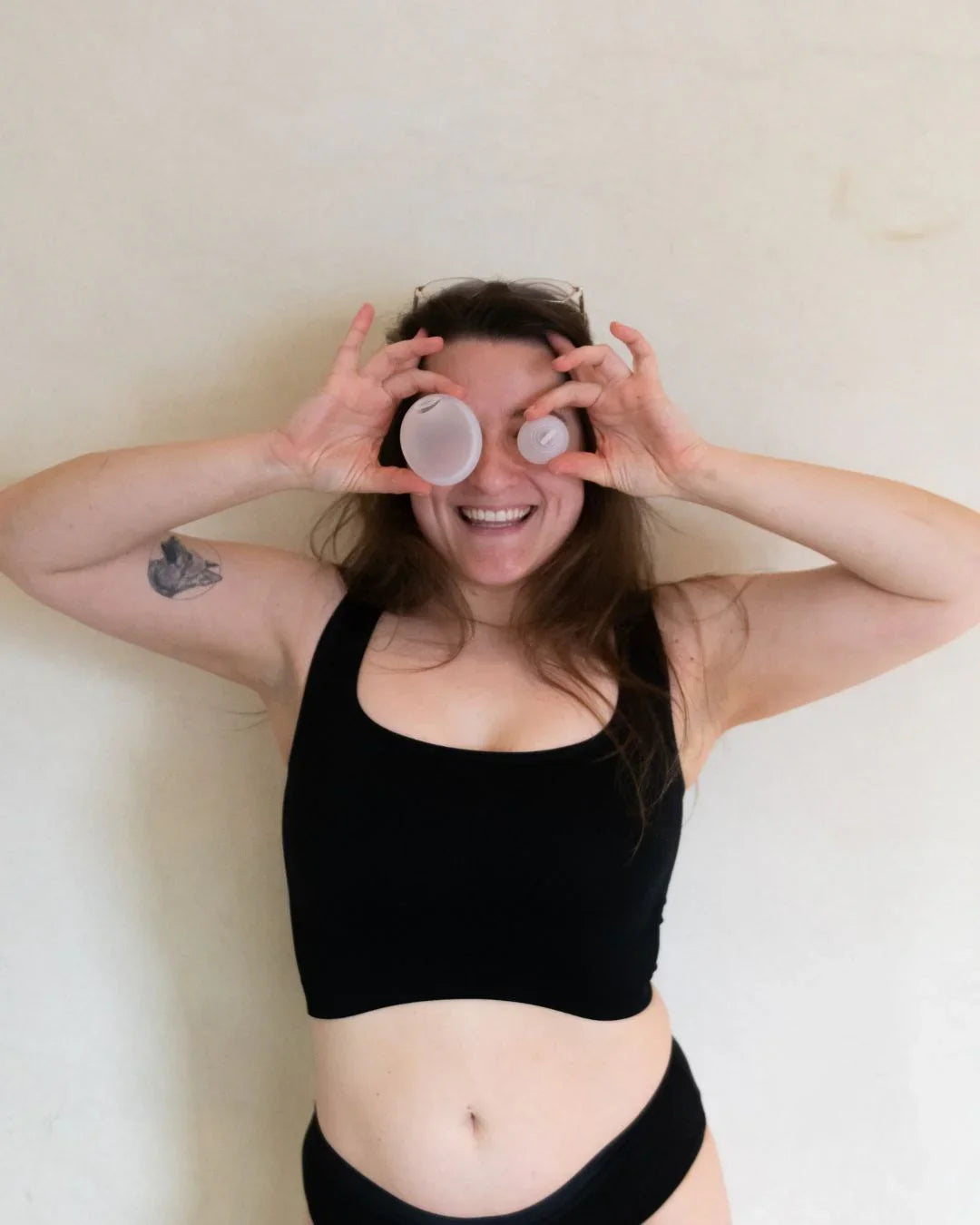
How to Explain the Menstrual Cycle to Children
·
Explaining the menstrual cycle to children is an important step in fostering body positivity, reducing stigma, and promoting gender equality. Experts emphasize that early, honest, and age-appropriate conversations help children build self-esteem and a healthy understanding of natural bodily processes. Parents and caregivers can make these discussions empowering by using clear language, normalizing menstruation as a sign of health, and addressing emotions or misconceptions openly. Incorporating visuals, books, and everyday examples helps children connect the information to real life, while modeling openness reinforces positive attitudes. Ongoing, respectful dialogue ensures children grow up confident and informed about their bodies, laying the foundation for resilience and gender equity.
Continue reading
The Intersection of Sustainability, Feminism, and Social Justice
·
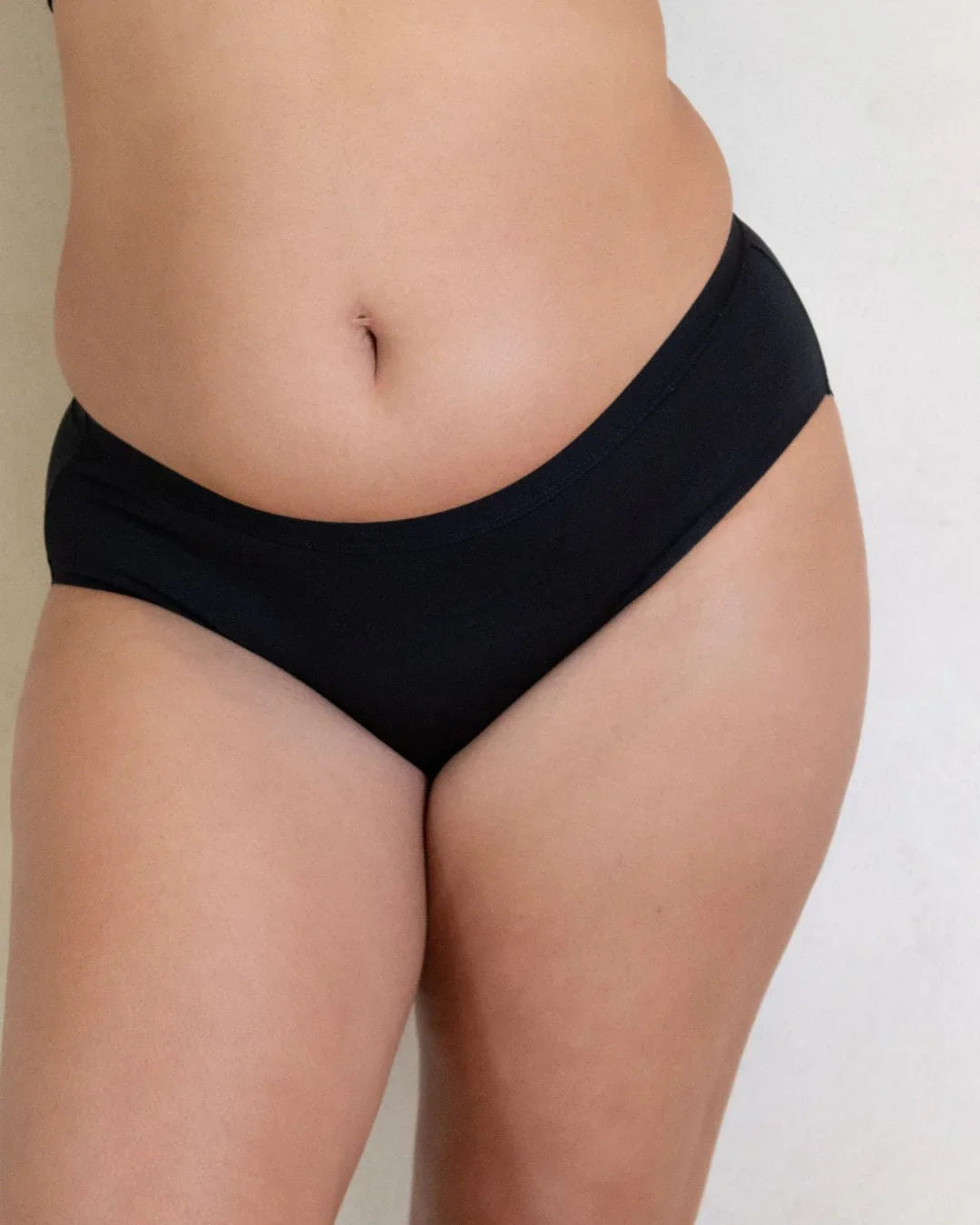
Sustainability, feminism, and social justice are deeply interconnected, each reinforcing the other in building a more equitable and resilient future. Environmental challenges disproportionately impact women and marginalized communities, making gender equality central to climate solutions and sustainable development. Feminist leadership has proven to drive better ecological and social outcomes, while environmental justice emphasizes fair treatment and protection for vulnerable populations. From grassroots movements like Kenya’s Green Belt Movement to global policy frameworks such as the Paris Agreement, examples show how empowering women and amplifying marginalized voices accelerate progress. Recognizing this intersection ensures that climate action, gender equity, and social justice advance together, paving the way for systemic change and long-term global sustainability.
Continue reading
Why Investing in Women Entrepreneurs Benefits the Entire Economy
·
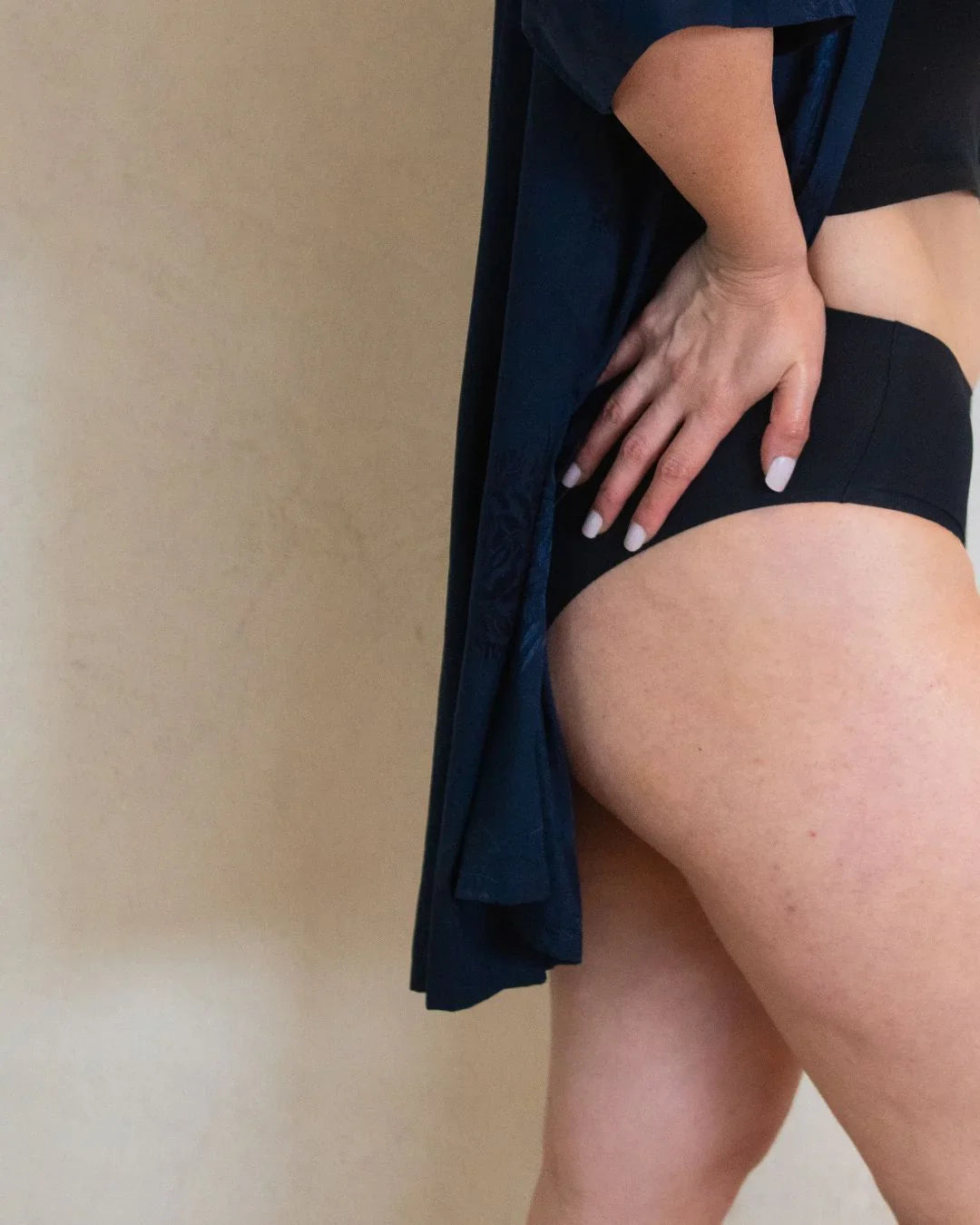
Investing in women entrepreneurs drives far-reaching economic, social, and environmental benefits that uplift entire communities. Women-led businesses fuel innovation, job creation, and market expansion while reinvesting more heavily into families and local development. They also tend to prioritize sustainability and social impact, strengthening resilience and advancing gender equality. Despite these contributions, women still face barriers such as limited access to funding, mentorship, and networks. Overcoming these challenges unlocks not only women’s potential but also global economic growth and progress toward the Sustainable Development Goals. Supporting women entrepreneurs is therefore both a matter of equity and a smart strategy for building a more inclusive and prosperous future.
Continue reading
The Role of Consumer Choice in Challenging Gender Inequities
·
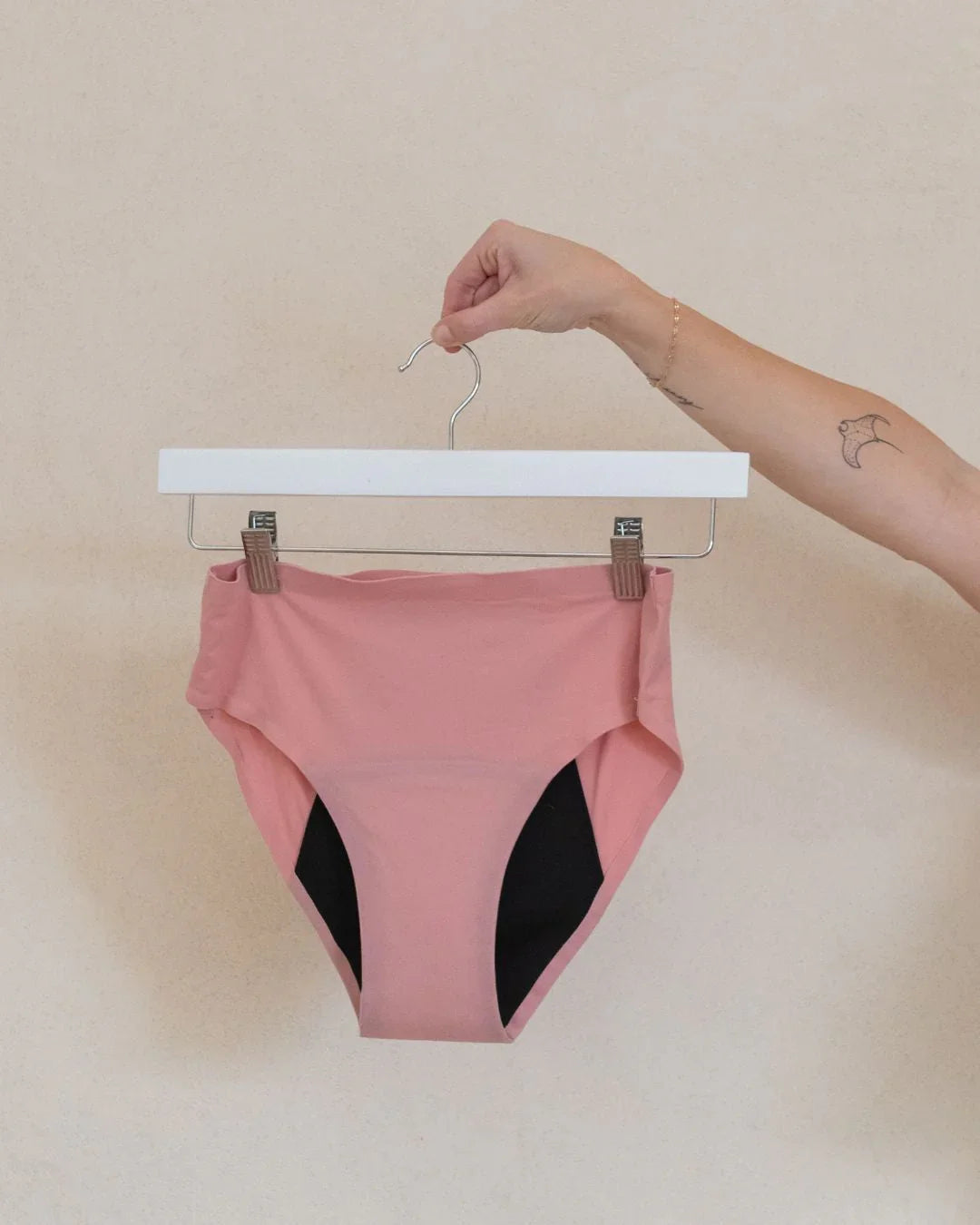
Consumer choice plays a powerful role in challenging gender inequities by influencing corporate practices and supporting businesses that prioritize fairness, sustainability, and feminist values. Research shows that diverse and inclusive companies are more profitable, while ethical brands improve the lives of women through fair labor, wages, and leadership opportunities. By choosing women-led and socially responsible businesses, advocating for transparency, and aligning purchases with values, consumers can push industries toward greater accountability and equity. This collective action not only drives profitability for ethical brands but also helps dismantle systemic inequalities, proving that every purchase is an opportunity to promote gender equality and sustainable progress.
Continue reading
Declining Birth Rate
·
Birth rates are declining worldwide, with many countries falling below replacement levels, raising concerns about aging populations and economic sustainability. This trend is driven by rising living costs, limited parental support policies, reduced generational childcare help from Baby Boomers, and growing reproductive health challenges. As a result, families face financial and social barriers that discourage larger households, while governments grapple with shrinking workforces and increased strain on welfare systems. Addressing the issue will require comprehensive strategies—ranging from stronger family policies and healthcare access to broader economic support—so societies can maintain demographic balance and long-term stability.
Continue reading
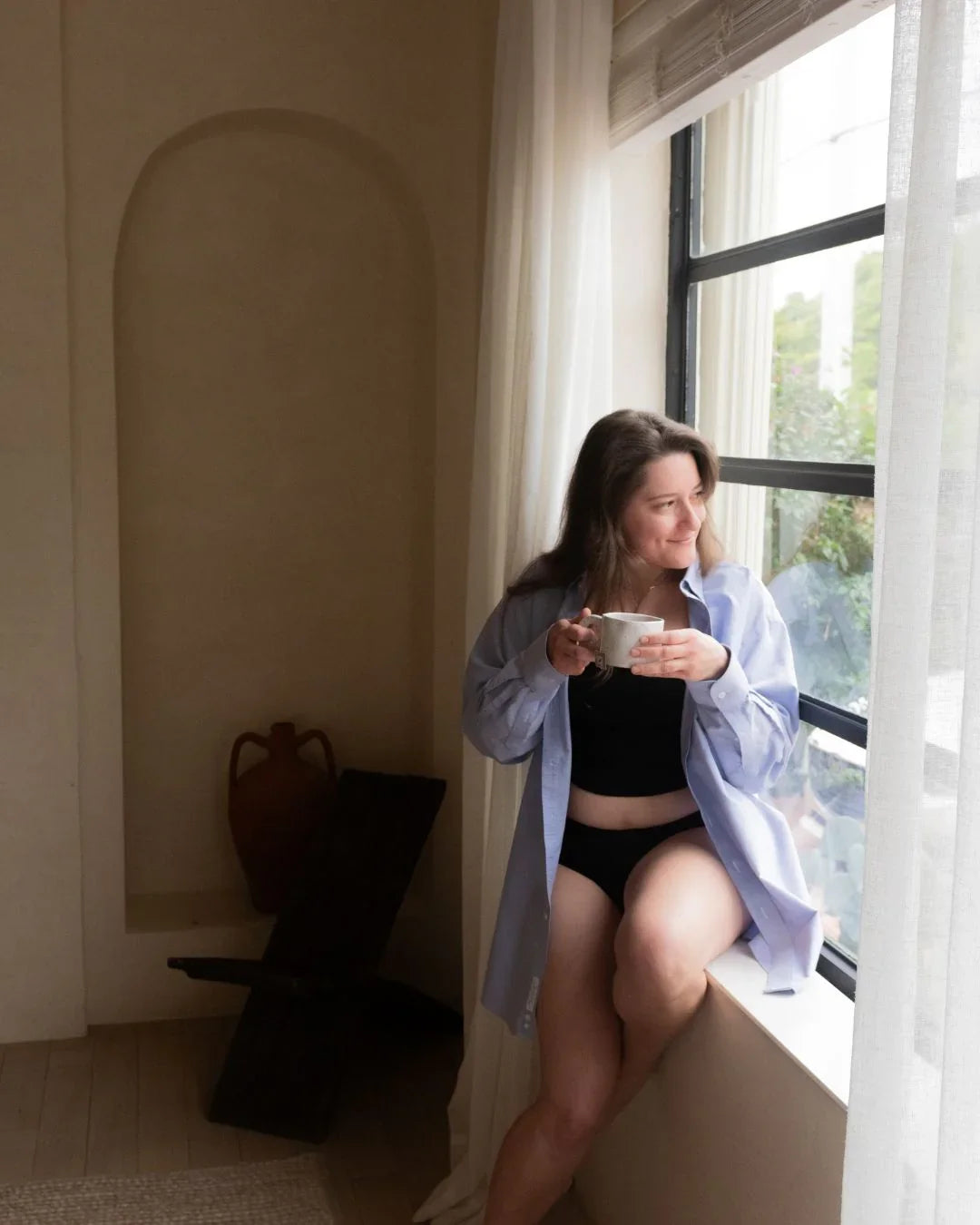
Millennial Women Are Outbuying Their Male Counterparts in the Housing Market
·
Millennial and Gen Z women are outpacing men in homeownership, reflecting a major cultural and economic shift driven by education, financial independence, and modern feminism. With women earning more degrees, building assets, and prioritizing independence, they are buying homes at higher rates—often without partners—than previous generations. This trend highlights not only increased confidence and financial literacy but also the broader influence of feminism in empowering women to take control of their futures. As a result, the housing market and related industries are beginning to adapt to this growing demographic, signaling long-term changes in how gender and homeownership intersect.
Continue reading
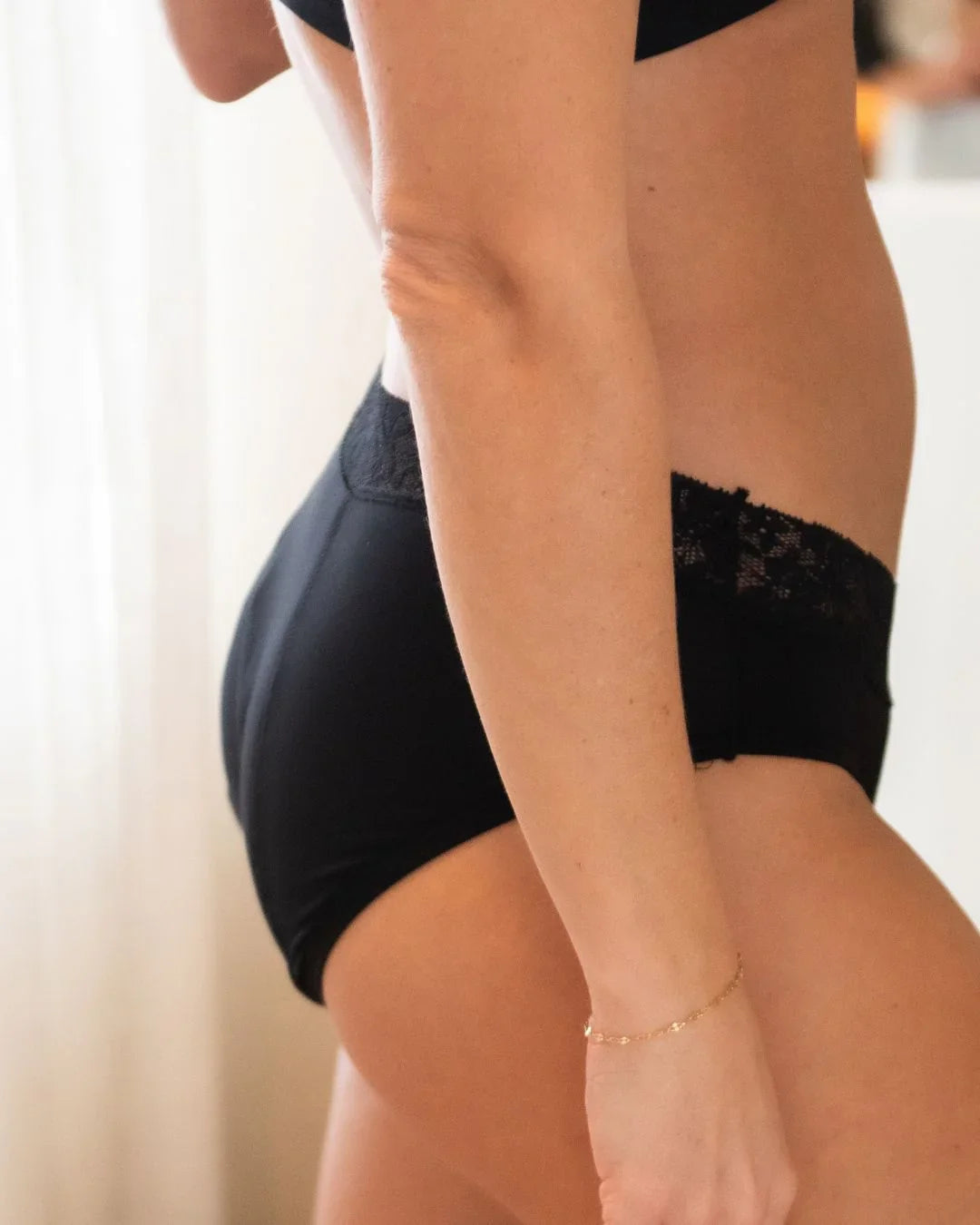
How Feminism Has Shaped Product Innovation
·
Feminism has been a driving force behind modern product innovation, pushing industries to move beyond male-centric designs and prioritize women’s unique needs and experiences. From the early waves of the movement that fought for suffrage, workplace equality, and reproductive rights, to today’s emphasis on intersectionality and inclusivity, feminism has inspired female entrepreneurs and brands to create solutions that are practical, sustainable, and empowering—such as menstrual cups and period underwear. By centering women’s voices, feminism has not only reshaped product development but also fueled a new generation of changemakers building businesses rooted in equality, social justice, and authentic representation, setting the stage for a more inclusive and sustainable future.
Continue reading
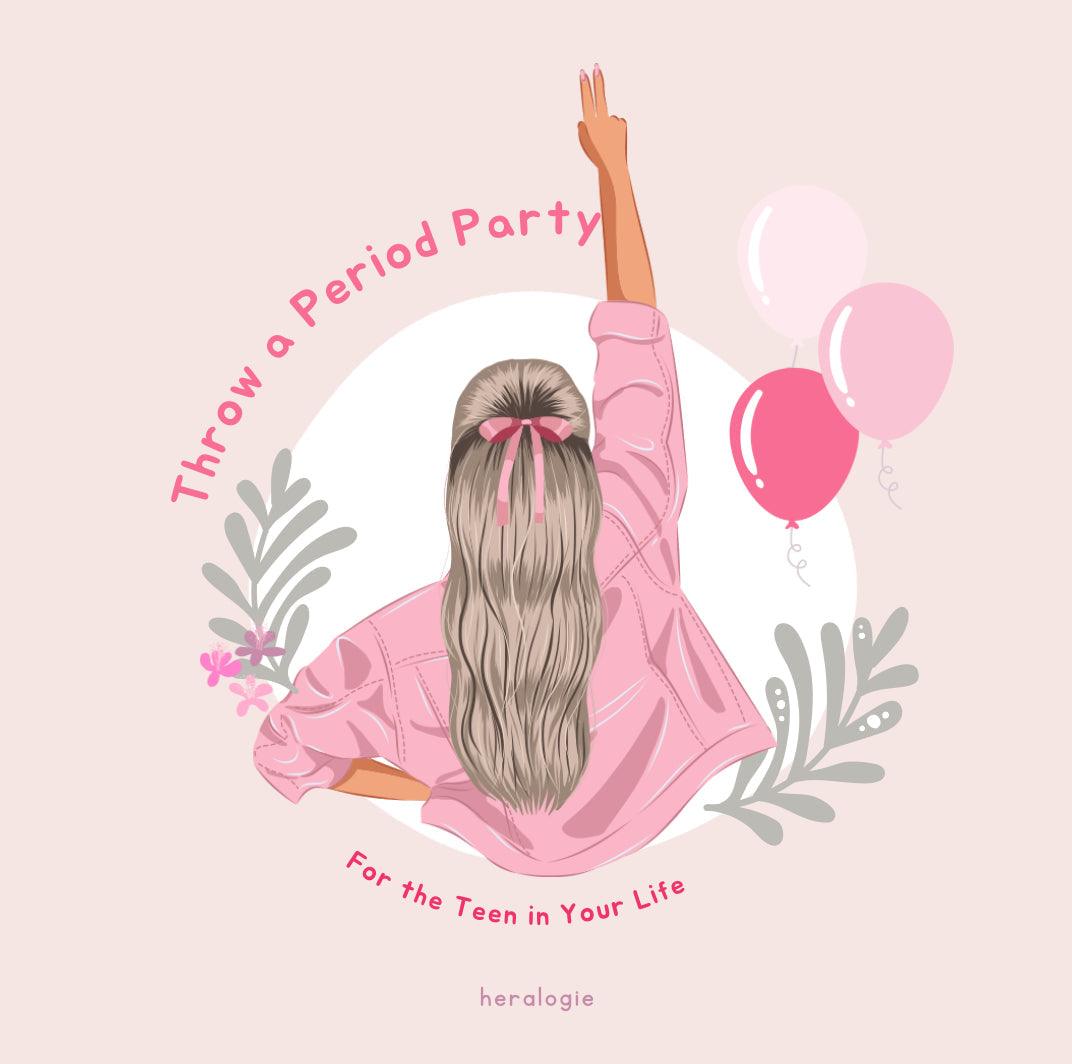
Throwing a Period Party
·
Throwing a period party is a creative and empowering way to celebrate a tween or teen’s first period, transforming what is often a stigmatized milestone into an occasion of pride and support. By fostering a positive atmosphere filled with education, self-care, and fun, parents or mentors can help boost their adolescent's confidence and body image while dispelling misconceptions about menstruation. From low-key gatherings with family and friends to themed celebrations like "Blooming Beauty" or "Girl Power," these events can include thoughtful touches such as healthy snacks, engaging activities, and symbolic gifts to make the experience memorable. A period party not only marks the beginning of a new chapter but also strengthens the bond of trust and empowerment for the next generation.
Continue reading
How to Choose a Midwife
·
Choosing the right midwife is a pivotal step in creating an empowering birth experience that aligns with your values and preferences. Midwives, including Certified Nurse-Midwives (CNMs), Certified Midwives (CMs), Licensed Midwives (LMs), and Direct Entry Midwives, provide crucial prenatal, delivery, and postpartum care. To find the best fit, it’s essential to interview potential midwives, focusing on their philosophy, approach to interventions, experience with complications, and support for families. Asking key questions about certifications, availability, and policies on pain relief and episiotomies can help ensure a positive experience. With careful research and open communication, you can select a midwife who supports your unique journey into parenthood.
Continue reading
The Pink Tax
·
The pink tax is an unjust pricing phenomenon where products and services marketed towards women and non-binary individuals are often more expensive than comparable items for men, despite no significant differences in quality or functionality. This practice not only burdens women with higher costs but exacerbates the existing gender wage gap, leaving many struggling to achieve financial stability. Over time, these hidden costs can lead to reduced disposable income, delayed retirement savings, and increased vulnerability to poverty. The pink tax also perpetuates harmful gender stereotypes and beauty standards, limiting personal and professional opportunities. Tackling this issue requires informed consumer practices, advocacy for fair pricing, and support for organizations promoting gender equality to foster economic fairness and empowerment for all.
Continue reading
The Invention of the Menstrual Cup
·
The menstrual cup has transformed period management, offering a comfortable, effective, and eco-friendly alternative to traditional products. Originally created in the 1930s by Dr. Earle Haas as a solution to the limitations of menstrual products, the cup has evolved from its early rubber design to today’s high-quality, medical-grade silicone models. With growing awareness about sustainability, reusable menstrual cups have become increasingly popular since the 2000s, offering up to 12 hours of leak-free protection. This innovation has empowered individuals to experience a more convenient, cost-effective, and environmentally friendly approach to menstrual hygiene.
Continue reading
Understanding Period Poverty
·
Period poverty is a global issue impacting millions of individuals who cannot afford or access basic menstrual products, leading to severe consequences for their health, education, and economic prospects. This silent crisis often results in poor hygiene, social stigma, missed school or work, and mental health challenges. The effects ripple beyond individuals, affecting entire communities and economies through reduced productivity and participation. Solutions to combat period poverty include raising awareness, promoting affordable products, advocating for government support, initiating community programs, and pushing for policy changes to ensure that everyone has access to essential menstrual products. Addressing period poverty is crucial to fostering a more inclusive and equitable world.
Continue reading
Breast Cancer Prevention
·
To reduce the risk of breast cancer, adopting healthy lifestyle choices and eating specific foods can make a significant difference. Incorporating leafy greens, berries, cruciferous vegetables, flaxseeds, and fatty fish into your diet provides antioxidants and anti-inflammatory benefits. Daily habits like staying hydrated, exercising regularly, getting enough sleep, managing stress, and limiting processed foods also help lower breast cancer risk. Additional steps such as breastfeeding, maintaining a healthy weight, and avoiding hormone-disrupting chemicals like BPA and parabens can further reduce risk. Small, consistent changes to your diet and habits can lead to long-term wellness benefits.
Continue reading
How to Give Yourself a Breast Exam
·
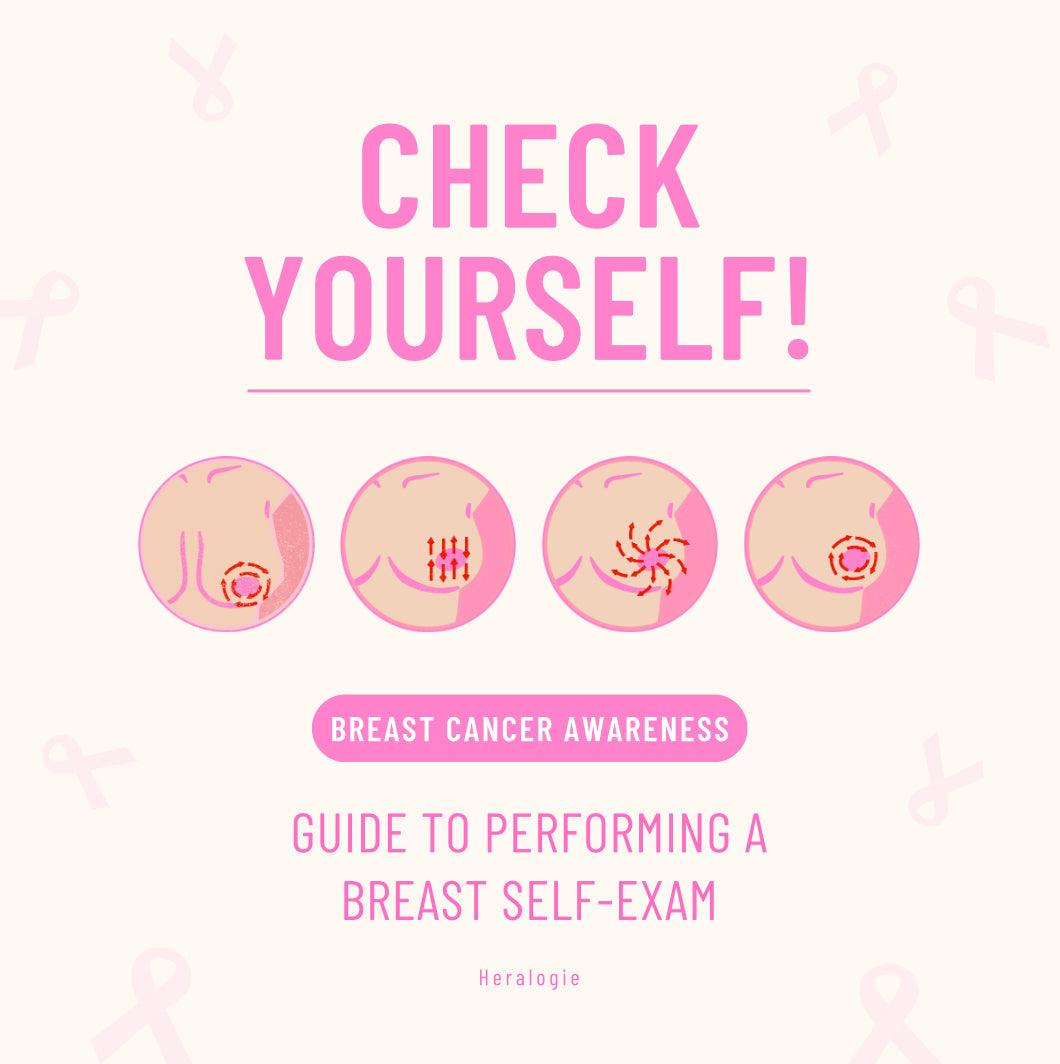
Empowering self-care, especially for those at higher risk of breast cancer, includes regularly performing breast self-exams (BSE). This simple, non-invasive method allows individuals to become familiar with their breasts and detect any early changes or abnormalities, empowering them to take control of their health. This blog offers a detailed, step-by-step guide to performing a BSE, including checking in front of a mirror, palpating the breast tissue, and inspecting the underarms and nipples. It emphasizes the importance of using proper technique, taking your time, and not replacing mammograms or doctor visits with BSEs. Incorporating BSE into a monthly routine can lead to early detection, increased awareness, and reduced anxiety about breast health.
Continue reading
Everything You Need to Know About Mammograms
·
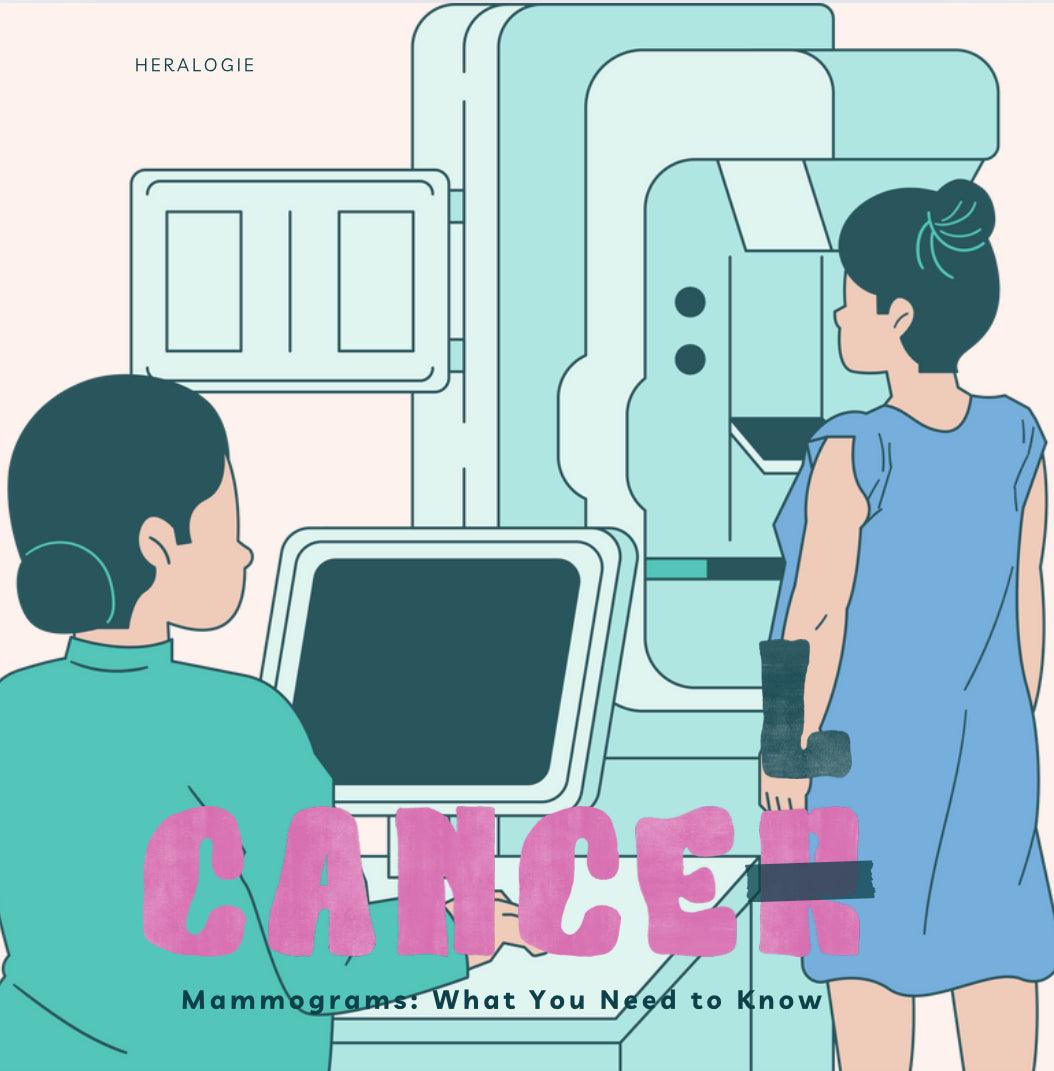
Mammograms are an essential tool in the early detection of breast cancer, offering women a non-invasive imaging test that uses low-dose X-rays to examine breast tissue for abnormalities. During the procedure, a trained technician carefully positions the breast on a plate for X-ray imaging, and a radiologist reviews the images for any signs of concern. The American Cancer Society recommends annual mammograms for women aged 40 and older, while younger women should consult their doctors about the frequency of exams. Women with a family history of breast cancer or high-risk factors may need more frequent screenings. Prioritizing regular mammograms can help detect breast cancer early, when it’s most treatable.
Continue reading
Understanding Breast Cancer
·
In recognition of Breast Cancer Awareness Month, this blog explores essential facts about breast cancer, a prevalent and serious illness affecting millions globally, including men, women, and non-binary individuals. Breast cancer occurs when abnormal cells in the breast tissue grow uncontrollably, forming tumors that can spread and cause harm. Each year, over 2 million new cases are diagnosed, making it a leading cause of cancer deaths among women. The blog discusses risk factors such as genetic mutations, family history, diet, and hormone exposure, along with symptoms like lumps and nipple changes. It emphasizes the importance of early detection and outlines treatment options, including surgery, chemotherapy, and radiation.
Continue reading
What is Eco-Feminism?
·
Eco-feminism is a philosophy that highlights the deep connection between the struggles for women's rights and environmental protection, asserting that the oppression of women and the degradation of the natural world are interlinked. It emphasizes that women disproportionately bear the brunt of environmental issues, from health impacts to economic insecurity, while also facing exploitation in industries that contribute to ecological degradation. In today’s climate crisis, eco-feminism provides a framework for addressing these intertwined challenges by advocating for community-focused policies, challenging oppressive systems, and fostering global solidarity for both women's rights and environmental justice. Ultimately, it calls for a transformative approach to create a just and sustainable future that honors both human rights and ecological integrity.
Continue reading
Fast Fashion's Impact on Women & Children
·
The fast fashion industry, while providing affordable and trendy clothing, is built on unethical practices that disproportionately harm women and children in developing countries. Exploited workers, particularly women, endure poor working conditions, low wages, and abuse, while child labor remains a widespread issue. Additionally, the industry's pursuit of profit contributes to severe environmental damage, including significant greenhouse gas emissions and waste. As consumers, we have the power to drive change by supporting ethical brands, buying second-hand, and advocating for sustainable practices to promote a more compassionate and responsible fashion industry.
Continue reading
The Environmental Impact of Menstrual Pads
·
Menstrual pads, though widely used for convenience, have a significant environmental impact that often goes unnoticed. With 20 billion pads discarded annually, they contribute to landfill waste, plastic pollution, and water resource depletion, taking centuries to decompose. The manufacturing process also leaves a heavy carbon footprint, with energy consumption, resource extraction, and waste generation. Transitioning to more sustainable options, like reusable cloth pads, menstrual cups, or period panties, is crucial in reducing waste, minimizing pollution, and supporting a healthier planet. It's time to rethink period products for the sake of the environment.
Continue reading
The Menstrual Cycle and Exercise
·
Cycle syncing, the practice of aligning your exercise routine with the phases of your menstrual cycle, can significantly enhance your overall wellness. By understanding the three major phases—menstruation, follicular, and luteal—you can optimize your workouts to match your body’s needs. During menstruation, gentle activities like yoga and walking help ease discomfort. The follicular phase, with rising energy levels, is ideal for intense workouts like HIIT and strength training. In the luteal phase, focusing on relaxation and gentle exercises can reduce stress. Tailoring your fitness routine to these phases supports your physical health and well-being.
Continue reading
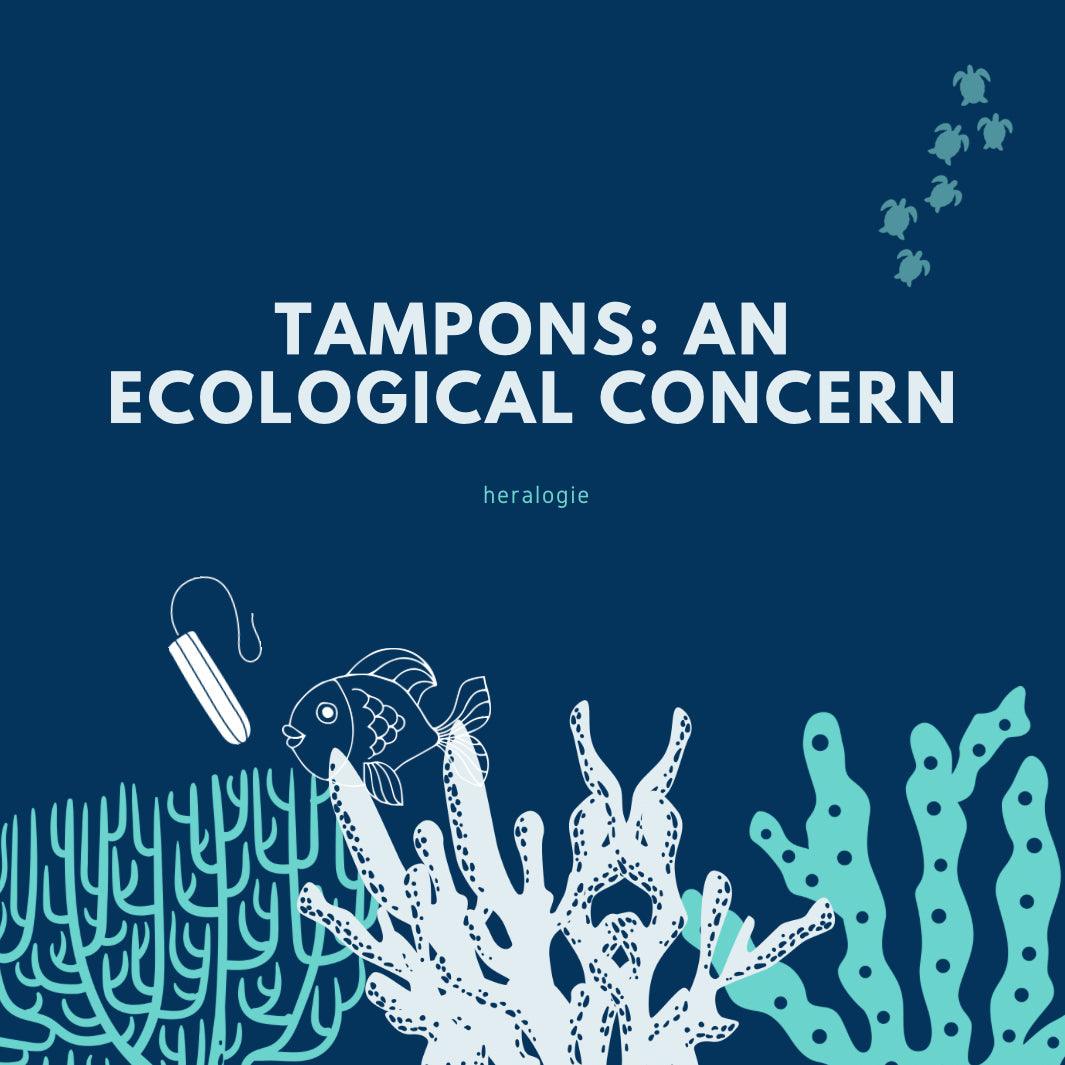
The Environmental Impact of Tampons
·
Tampons, a common menstrual product, have a significant and often overlooked environmental impact, from resource-intensive production processes that contribute to deforestation and pollution to their long-lasting waste that clogs landfills and pollutes oceans. The non-biodegradable materials in tampons harm ecosystems, endanger marine life, and contribute to the global plastic pollution crisis. To mitigate these effects, individuals are encouraged to consider more sustainable alternatives like menstrual cups, cloth pads, or period panties, which offer a longer-lasting and eco-friendlier solution. By making these small changes, we can collectively reduce the environmental footprint of menstrual products and promote a healthier planet.
Continue reading
PFAS in Fast Fashion
·
Fast fashion's widespread use of per- and polyfluoroalkyl substances (PFASs) poses significant threats to both human health and the environment. These toxic chemicals, often used to make clothing waterproof, stain-resistant, and wrinkle-free, can contaminate waterways, contribute to microplastic pollution, and perpetuate a culture of waste. PFAS exposure has been linked to serious health issues, including cancer, reproductive problems, and neurological damage. Consumers are encouraged to demand sustainable practices, choose natural fabrics, avoid PFAS-treated products, and advocate for policy changes to reduce the harmful impact of fast fashion.
Continue reading
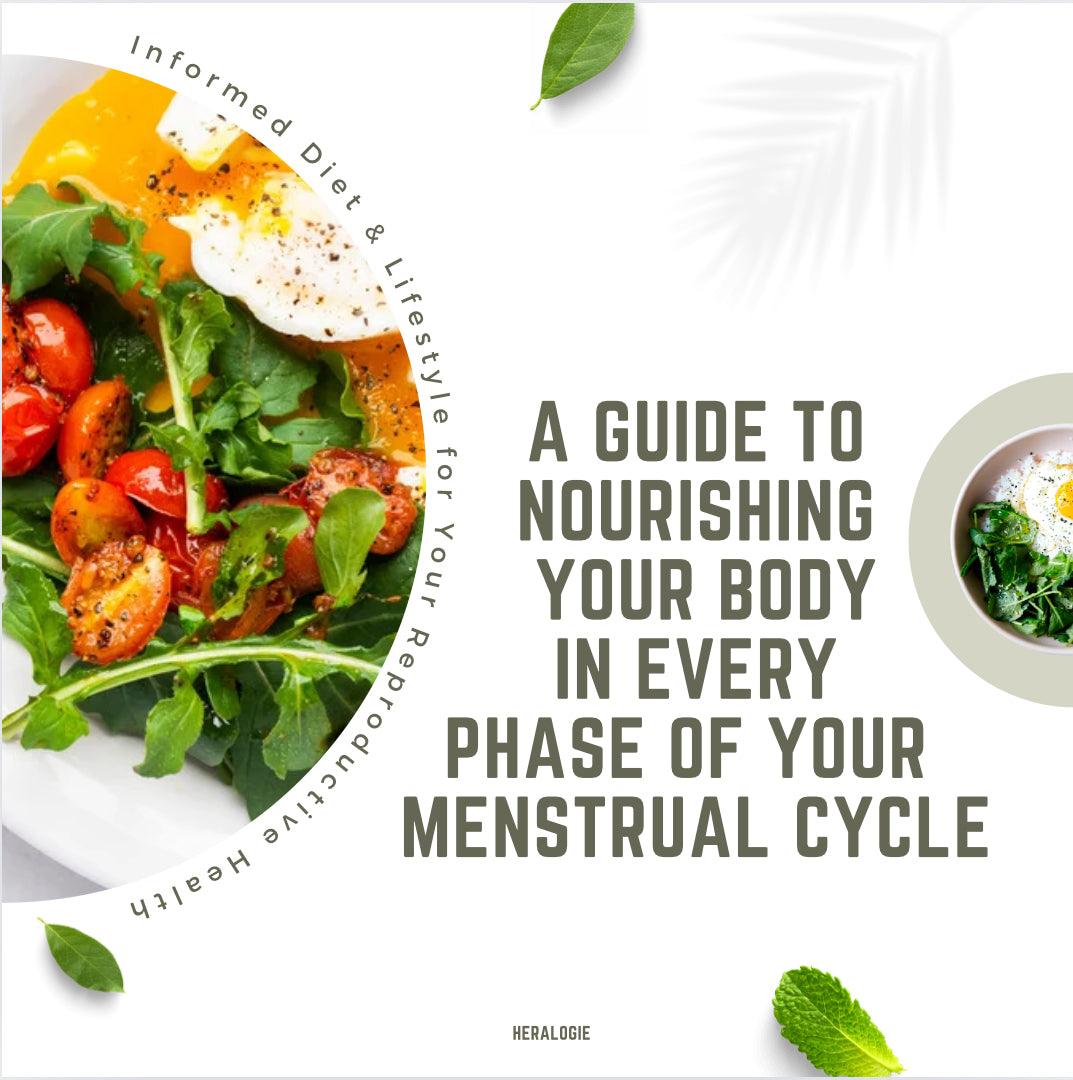
A Guide to Nourishing Your Body in Every Phase of Your Menstrual Cycle
·
The menstrual cycle consists of four phases: menstruation, follicular, ovulation, and luteal, each requiring specific nutrients to support overall health. During menstruation (Days 1-5), focus on iron, calcium, and omega-3 fatty acids to alleviate cramps and replenish lost nutrients. In the follicular phase (Days 6-11), prioritize folate, vitamin C, and protein to aid cell growth and hormone regulation. During ovulation (Days 12-14), continue with a balanced diet and stay hydrated. In the luteal phase (Days 15-28), include omega-6 fatty acids, vitamin B6, and magnesium to support hormone production and reduce cramps. By understanding and nourishing your body according to each phase, you can enhance your well-being and manage menstrual symptoms effectively.
Continue reading
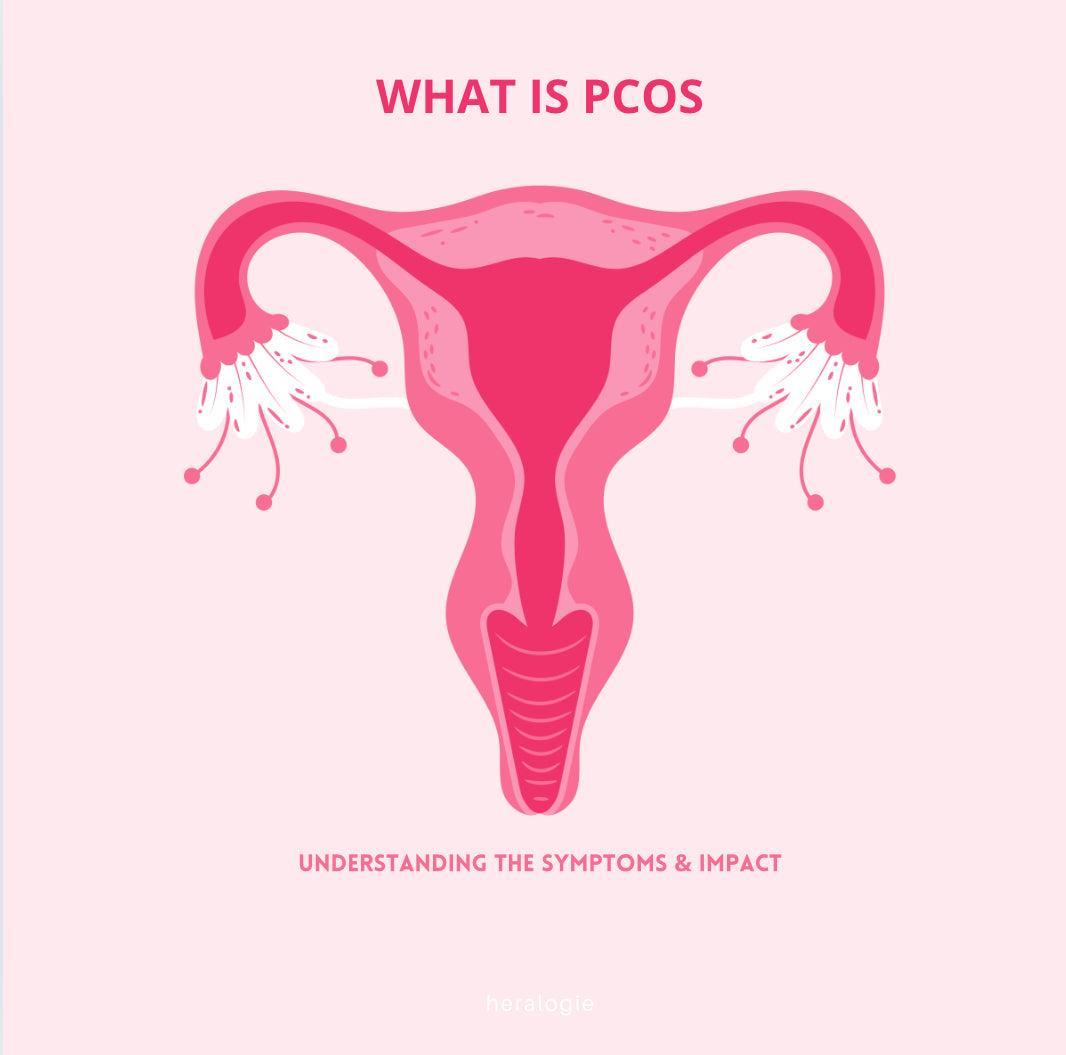
What is PCOS?
·
Polycystic Ovary Syndrome (PCOS) is a widespread hormonal disorder affecting 5-10% of menstruating people of childbearing age worldwide, characterized by irregular menstrual periods, ovarian cysts, and high androgen levels. Symptoms include irregular periods, weight gain, acne, excess hair growth, male pattern baldness, insulin resistance, and mood changes. PCOS significantly impacts daily life, causing challenges with fertility, emotional struggles, physical limitations, and social stigma. Understanding PCOS and its effects can help reduce stigma and promote better management. Those with PCOS should seek a healthcare provider for diagnosis and treatment.
Continue reading
Understanding PFAS
·
Per- and polyfluoroalkyl substances (PFAS) are synthetic chemicals used since the 1940s for their non-stick, waterproof, and fire-resistant properties in products like non-stick cookware, food packaging, clothing, and personal care items. PFAS enter products through fluorination, making them durable but hard to break down, leading to their presence in the environment and our bodies. Exposure to PFAS is linked to health issues like cancer, reproductive problems, neurological damage, and immune system suppression. Vulnerable populations, such as children, pregnant women, and workers, are at higher risk. Regular washing of clothes can reduce but not eliminate PFAS levels. To reduce exposure, individuals can choose non-toxic alternatives, avoid PFAS-containing food packaging, wash clothes regularly, use PFAS-free personal care products, and support regulatory policies. Awareness and proactive measures are essential to mitigate PFAS risks.
Continue reading
Understanding Vaginal Discharge
·
Understanding vaginal discharge is essential for maintaining feminine health. Vaginal discharge is a normal bodily function that keeps the vagina clean by expelling bacteria and dead cells. Healthy discharge is typically clear or whitish, thin, slightly sticky or creamy, and has a mild smell. However, abnormal discharge—characterized by changes in color, consistency, smell, and accompanying symptoms like itching or burning—can indicate infections such as bacterial vaginosis, yeast infections, or trichomoniasis, or result from hormonal changes, irritation, or medication. If abnormal discharge occurs, it’s important to seek medical advice, practice good hygiene, wear loose clothing, avoid douching, and consider over-the-counter treatments for mild infections. Recognizing what is normal and abnormal helps in taking proactive steps to maintain vaginal health.
Continue reading
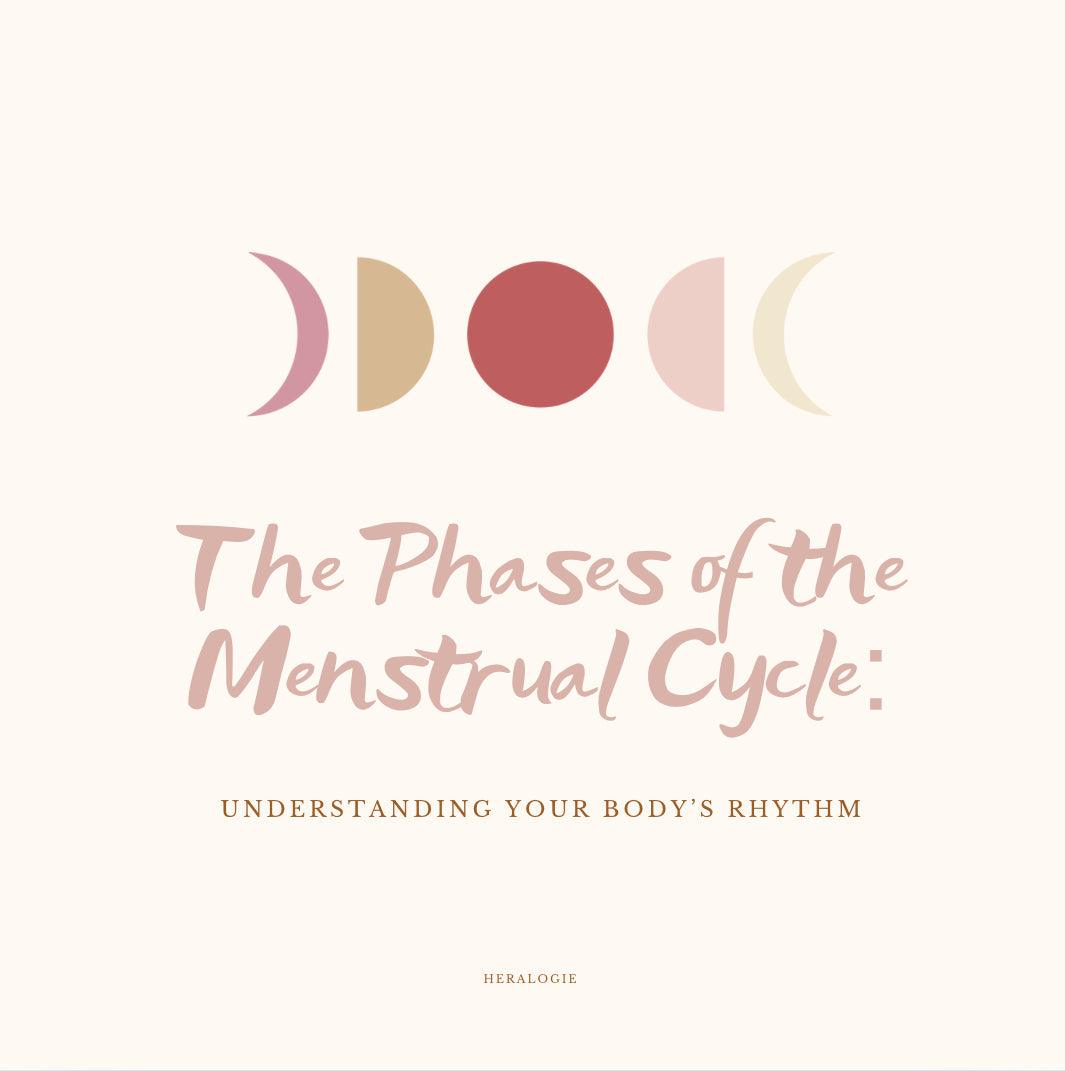
The Phases of the Menstrual Cycle
·
The menstrual cycle consists of four phases, each involving distinct hormonal and physical changes. The first phase, menstruation (days 1-5), involves shedding the uterine lining, resulting in bleeding, cramping, mood swings, and fatigue. The follicular phase (days 6-14) follows, marked by the growth of ovarian follicles and increased estrogen, which thickens the uterine lining and boosts energy and mood. Ovulation occurs around day 14, releasing a mature egg and peaking estrogen levels, often increasing libido and confidence. The luteal phase (days 15-28) prepares the body for potential pregnancy with higher progesterone levels, but if fertilization doesn't occur, PMS symptoms like bloating and mood swings may arise. Understanding these phases helps manage symptoms and maintain well-being.
Continue reading
The Risks of Tampons
·
Tampons, often chosen for their convenience, carry several health risks that should not be overlooked. Toxic Shock Syndrome (TSS), a life-threatening condition caused by bacterial growth, is a significant risk, particularly with super-absorbent tampons or prolonged use. Tampons may also contain harmful chemicals like dioxins, phthalates, pesticides, fragrances, adhesives, and other additives, which can cause cancer, reproductive issues, hormonal imbalances, skin irritation, and respiratory problems. Additionally, tampons can lead to allergic reactions, vaginal dryness, and increased risk of infections. Healthier alternatives include reusable cloth pads, menstrual cups made from medical-grade silicone, and period panties with built-in absorbency. These options can help reduce exposure to harmful substances and support overall health and well-being.
Continue reading
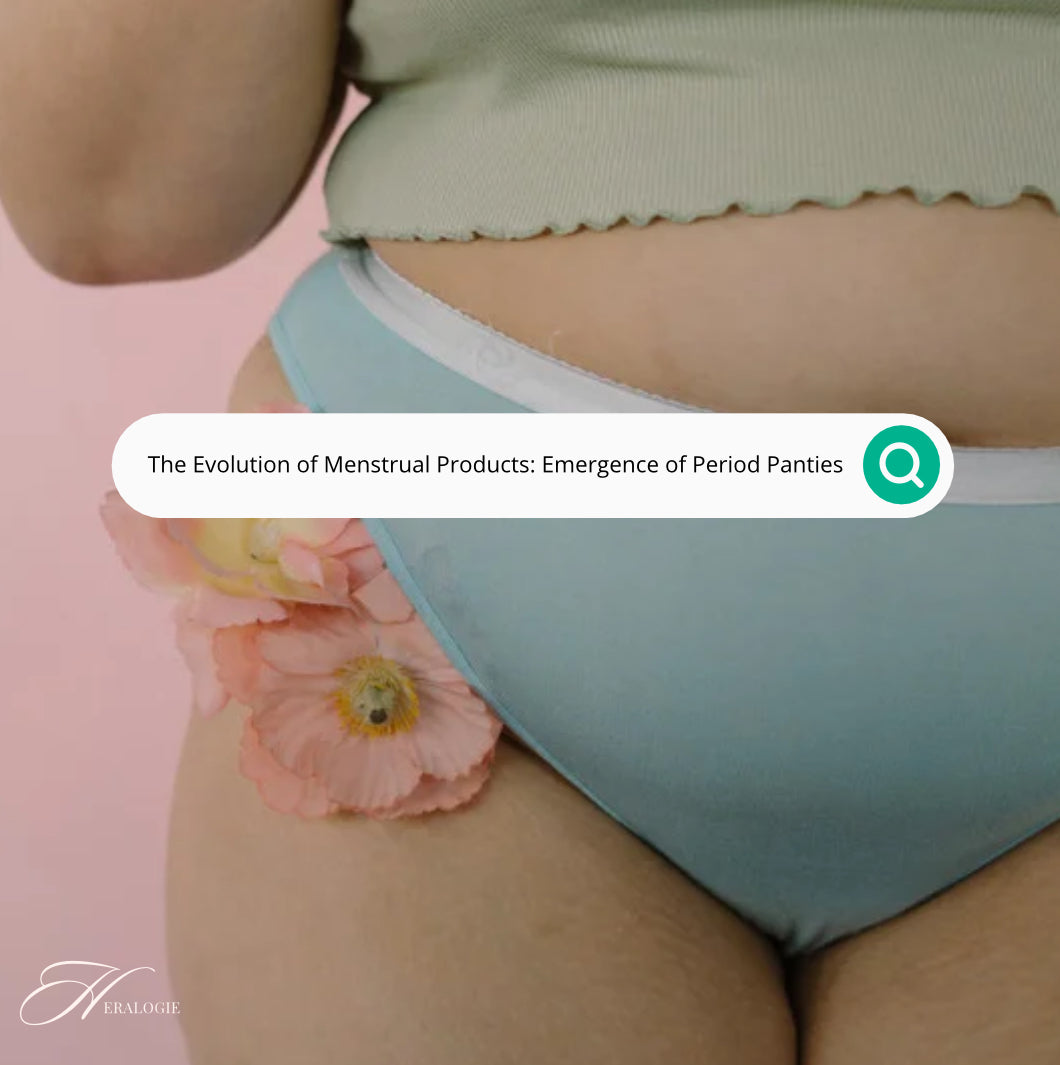
The Evolution of Menstrual Products
·
From humble beginnings as cloth pads to the high-tech period panties of today, the menstrual hygiene industry has undergone a remarkable evolution. Initially, women used uncomfortable homemade cloth pads, which evolved into commercially produced sanitary napkins in the 1920s. The 1960s brought the advent of tampons, offering more convenience despite some health risks. By the 1990s, absorbent pads and panties provided greater comfort and accessibility. The most recent innovation, period panties, emerged in the 2010s, offering a high-tech, environmentally friendly alternative to traditional disposables. With each innovation, women's lives have improved in terms of comfort, convenience, and confidence.
Continue reading
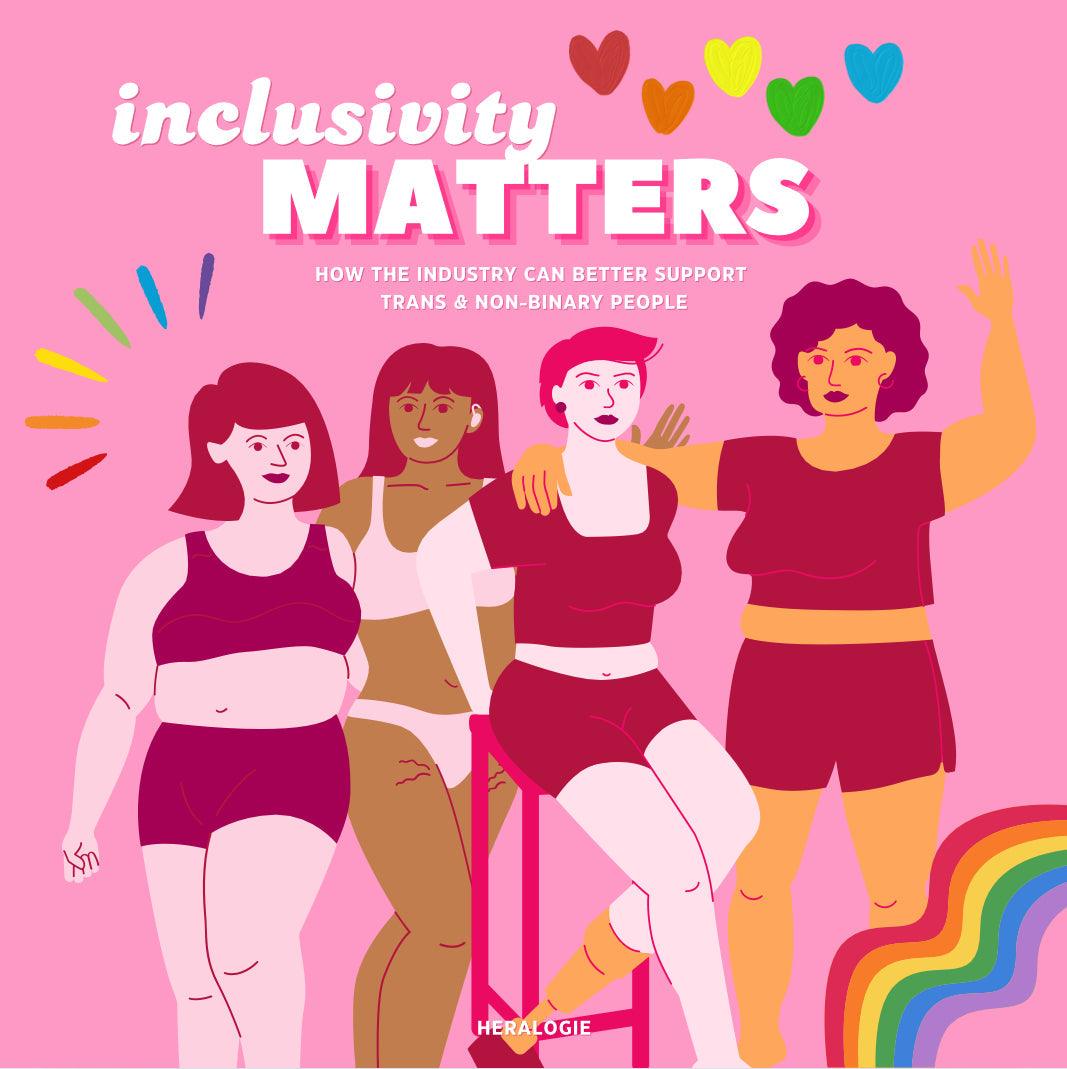
Inclusive Language Matters
·
The hygiene industry has made strides towards inclusivity, yet more efforts are needed to ensure everyone feels respected. Heralogie is dedicated to fostering a welcoming community by using inclusive language, which is vital for creating a supportive environment for non-binary and transgender individuals. Companies can enhance their DEI impact by avoiding gender assumptions, using gender-neutral terms, and offering inclusive products. Through employee training, updated packaging, and inclusive marketing, we can collectively build a more inclusive and respectful industry.
Continue reading